image

Black Panther

Wild ANimal

image

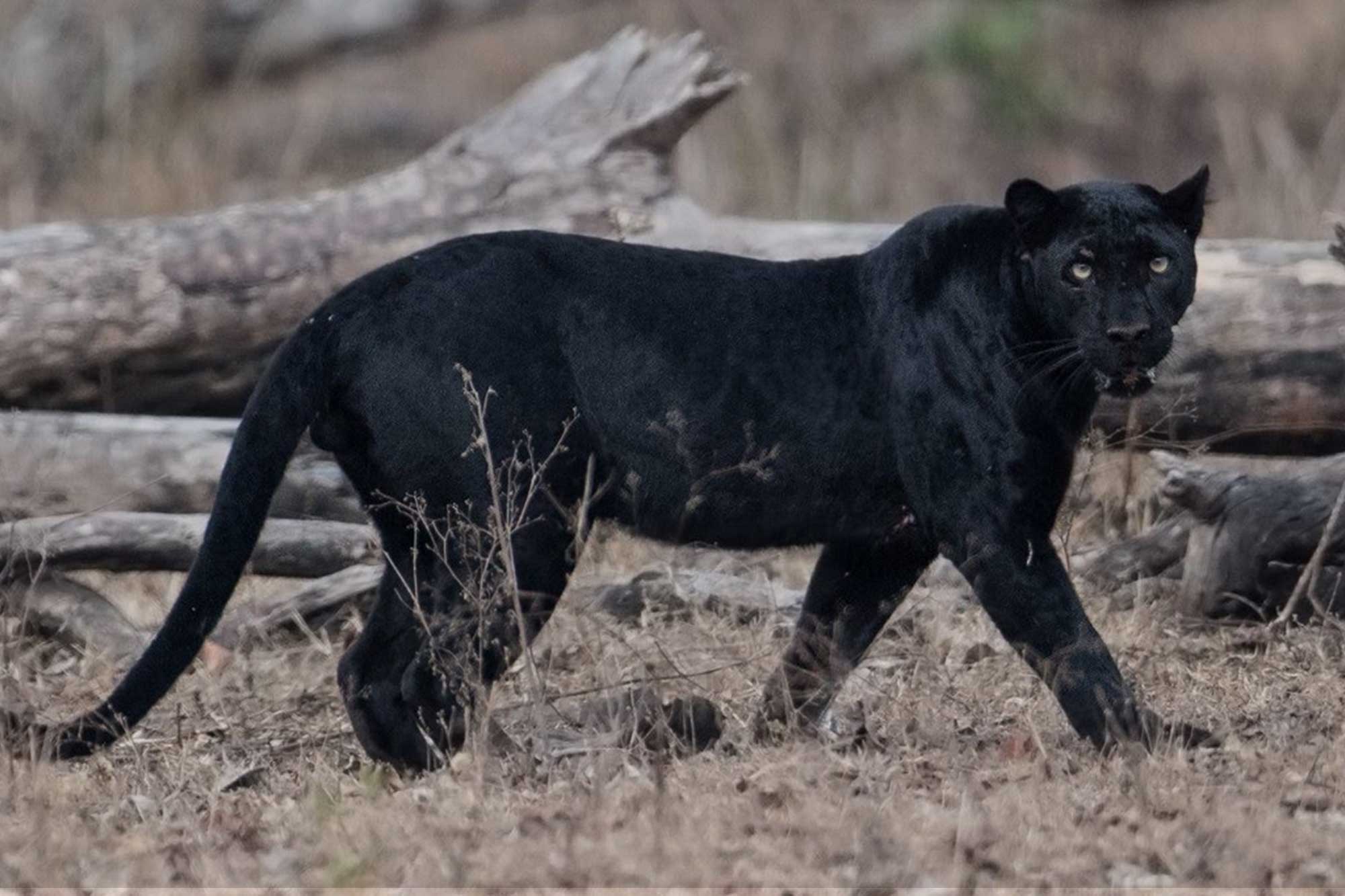
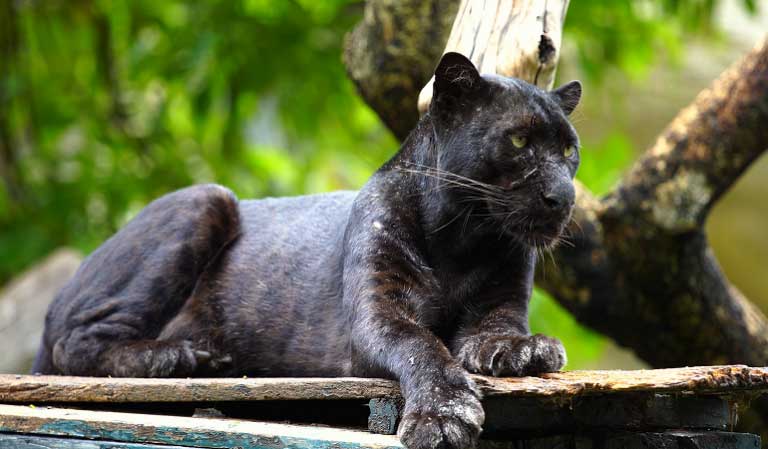
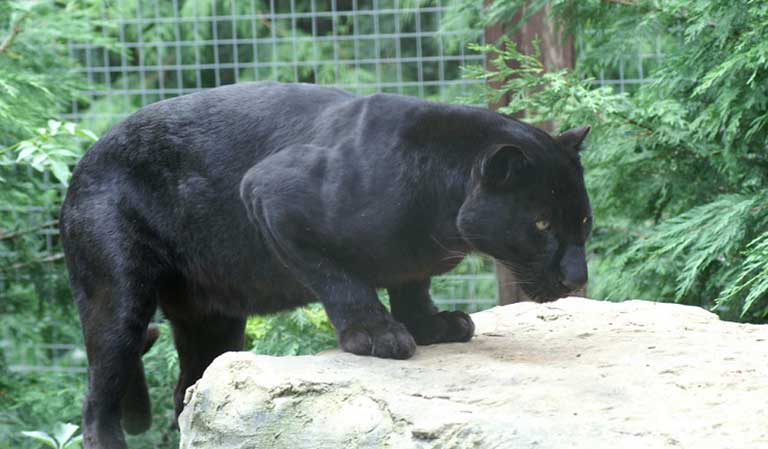
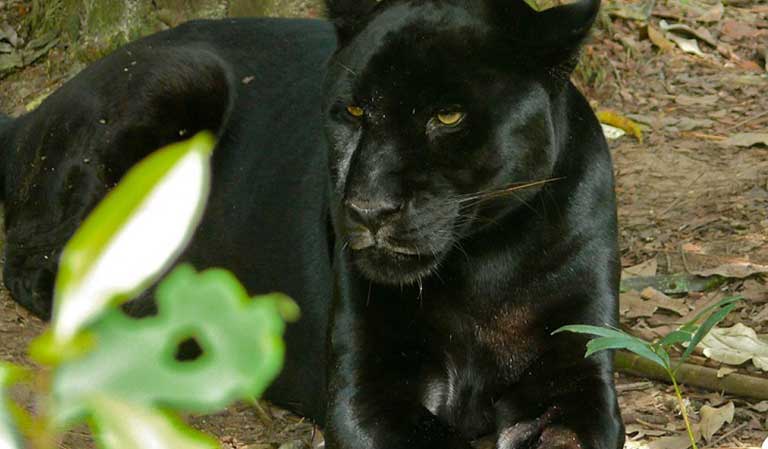
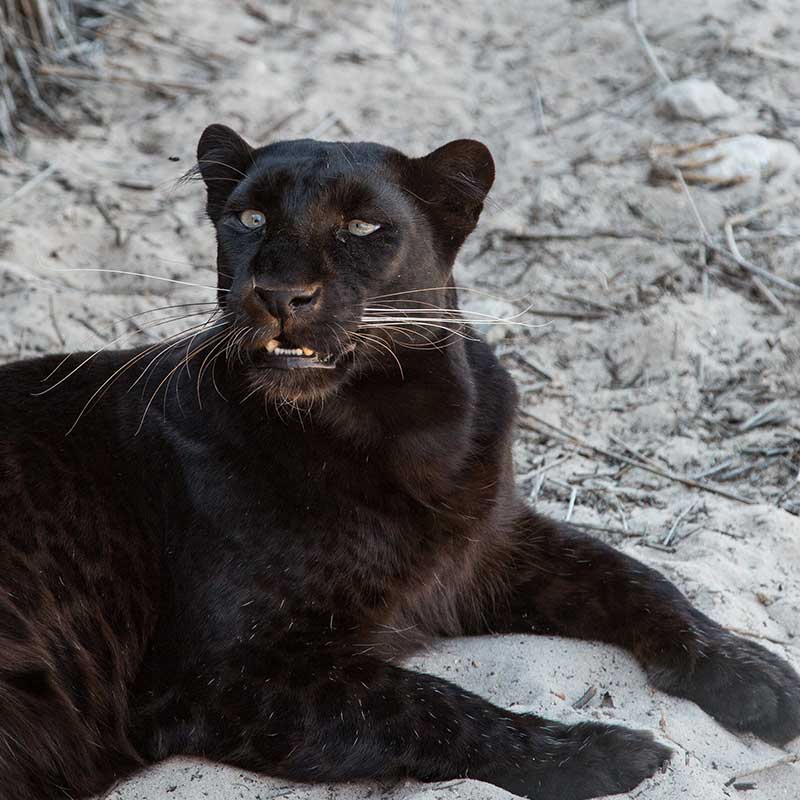
Black coat coloration is attributed to the expression of recessive alleles in leopards and dominant alleles in jaguars. In each species, a certain combination of alleles stimulates the production of large amounts of the dark pigment melanin in the animal’s fur and skin. Although melanin concentrations often vary between members of the same litter, individuals displaying completely black coats are rare.lack panther, colloquial term used to refer to large felines classified in the genus Panthera that are characterized by a coat of black fur or large concentrations of black spots set against a dark background. The term black panther is most frequently applied to black-coated leopards (Panthera pardus) of Africa and Asia and jaguars (P. onca) of Central and South America; black-furred variants of these species are also called black leopards and black jaguars, respectively. In addition, the term is sometimes used to describe dark-coloured bobcats, lynx, jaguarundis, tigers, and pumas (cougars), even though reports of black-coloured representatives of some species, such as the puma, have not been confirmed.

Photo of sunset
Behavior & lifestyle

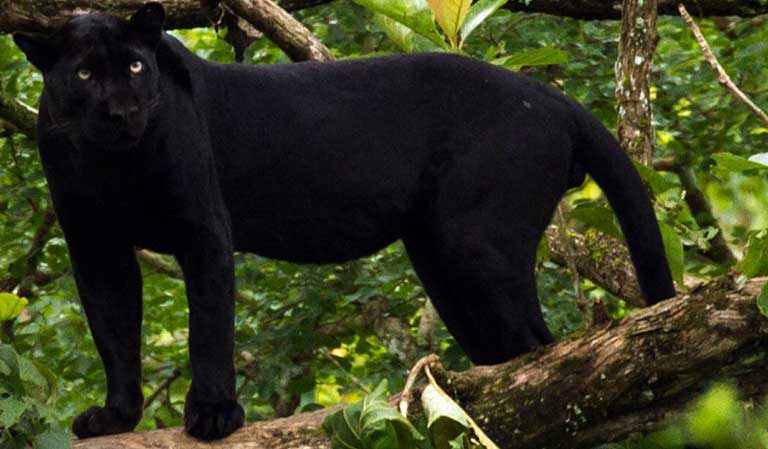
Black Jaguar prefers to spend their time in solitude. Up in the tree contemplating life or keeping a keen eye on the animal, which is soon to be its food.

Photo of sunset
Life Spam

On average, a melanistic leopard lives up to 12 to 20 years. Female panthers have a great chance of living up to 10 years than males.

Photo of sunset
Hunt Style

The wild & giant black cats take larger prey like deer up climbing on the tree to keep it safe from other rival predators. Just like you hide your food from your siblings.

Photo of sunset
Appearance

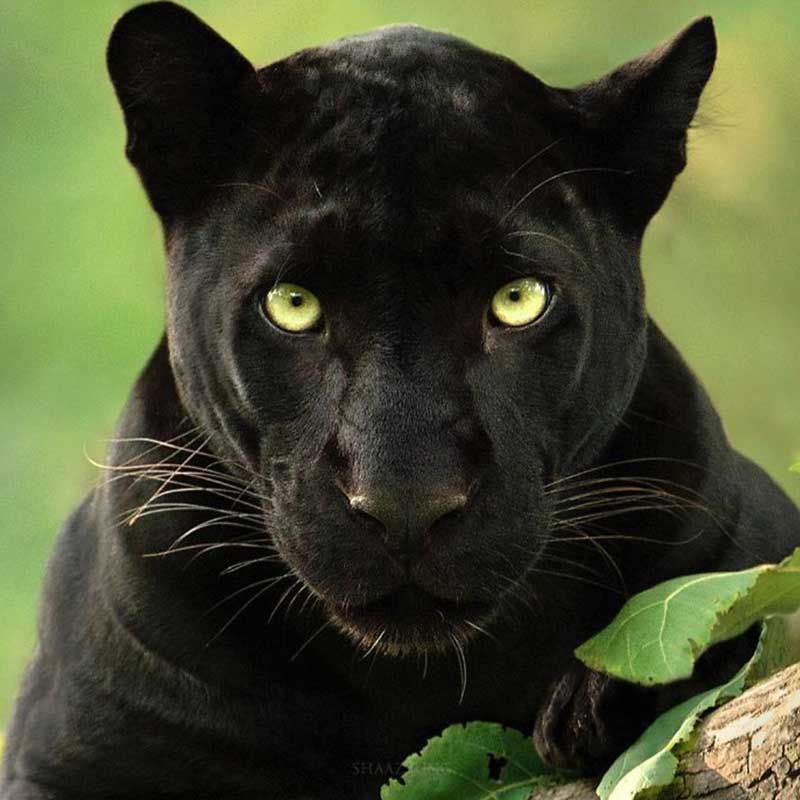
Black panther appearance-wise is surely sleek-looking. The most striking feature of this mammal is its eyes.

The term "panther" actually refers to three different types of big cats, leopards (Panthera pardus) or jaguars (Panthera onca) with a black or white colour mutation, and a cougar subspecies (Puma concolor). The "black panther" is either an American black jaguar or an Asian or African black leopard. The black panther has normal rosettes (spots) but is often difficult to see due to the animal's dark fur. Melanism is the name given to the dark pigmentation mutation in a jaguar or leopard that causes the fur to be blackish; it affects approximately 6% of the population. Albinism, the polar opposite of melanism, is an even rarer mutation that can occur in most animal species. Albino leopards, jaguars, or cougars are the extremely rare "white panther." Because the melanism gene is dominant in jaguars, a black jaguar can have either black or spotted cubs, whereas a spotted jaguar pair can only have spotted cubs. Aside from colour, the black panther is thought to be less fertile than other big cats and much more unpredictable and aggressive. Black panthers are excellent swimmers and among the most powerful tree climbers. They can climb up to 20 feet to catch their prey, which includes medium-sized animals like deer and monkeys, as well as smaller rabbits and birds. Black panthers have excellent hearing, vision, and a powerful jaw. The black panther is known as the "ghost of the forest." It is a cunning, stealthy attacker, and its dark coat allows it to hide and stalk prey, especially at night easily. The Florida panther is one of over 30 cougars (Puma concolor) subspecies.
image